Week 3 - The Importance of Features and Normalization in Data Science
Features are the quantifiable characteristics of an object or phenomenon in data science and machine learning. They make up a dataset's columns, with each row denoting an observation. They are also referred to as variables or attributes. For example, elements in a housing dataset can include the age of the property, the number of bedrooms, and the square footage. These qualities are essential for developing predictive models because they enable algorithms to spot trends and generate precise forecasts. However, for the best model performance, characteristics must be standardized because they frequently have disparate scales and units. A method for scaling features to a common range, usually between 0 and 1, is called normalization. By ensuring that each feature makes an equal contribution to the learning process, this transformation keeps one feature from taking over the model because of its size. Additionally, it decreases numerical instability, increases interpretability, and improves the convergence of gradient-based algorithms. For instance, using Python and NumPy to normalize a collection of test scores and student ages guarantees that both features are on the same scale. Normalization is an essential step in many machine learning applications, especially when dealing with distance-based models or improving gradient descent, even though it is not necessary for all methods.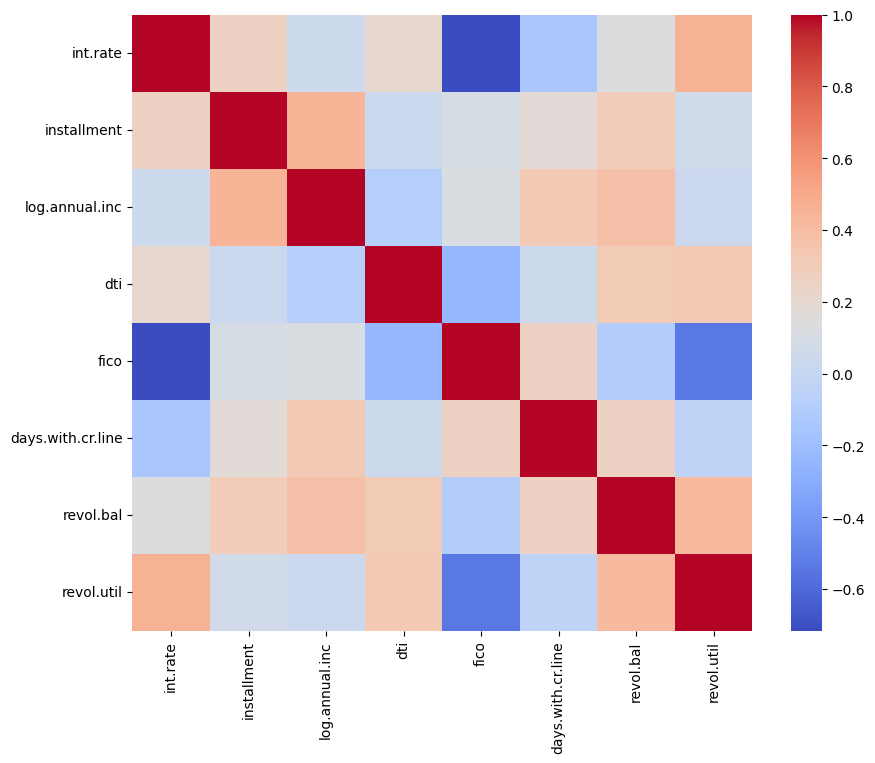


Comments
Post a Comment